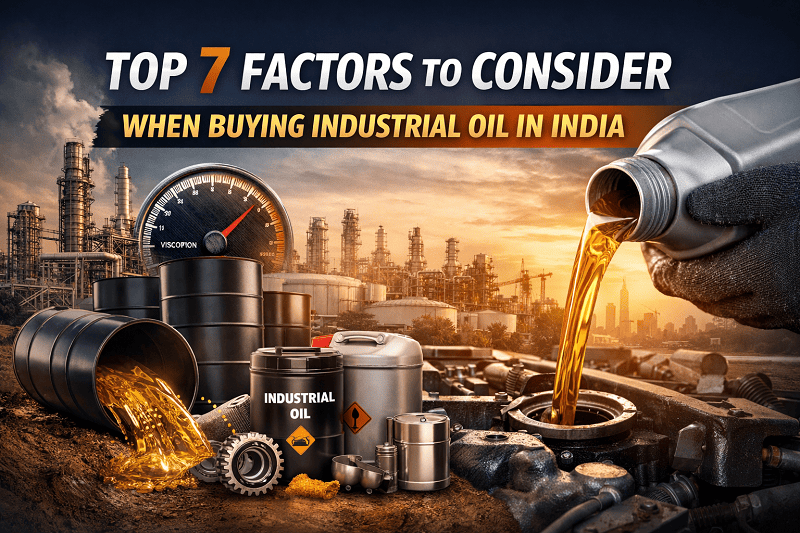
Choosing the right industrial oil is one of the most critical decisions for any manufacturing unit, workshop, or heavy machinery operation. While it may seem like a routine procurement item, industrial oil directly influences machine efficiency, operational continuity, maintenance costs, and even safety standards. In a country like India, where industries operate under diverse environmental conditions—from extreme heat to high humidity and dusty environments—the importance of selecting the right lubricant becomes even more significant.
Industrial oils are not just consumables; they are performance enablers. A poor-quality or mismatched lubricant can lead to frequent breakdowns, increased wear and tear, and ultimately higher operational costs. On the other hand, the right oil improves efficiency, extends equipment lifespan, and reduces downtime. Understanding what to look for when purchasing industrial oil is therefore essential for making a cost-effective and performance-driven decision.
Understanding Viscosity and Its Role in Performance
Viscosity is often considered the most fundamental property of industrial oil, and for good reason. It defines the oil’s resistance to flow and determines how well it can form a protective film between moving parts. If the viscosity is too low, the oil may not provide sufficient lubrication, leading to metal-to-metal contact and increased wear. Conversely, if the viscosity is too high, it can create excessive resistance, resulting in energy loss and overheating.
In Indian industrial conditions, where temperature fluctuations can be significant, selecting the correct viscosity grade becomes even more important. Machines operating in high-temperature environments require oils that maintain their viscosity under heat, while equipment in cooler conditions may need oils that flow easily during startup. Choosing the right viscosity ensures optimal performance across varying operating conditions and prevents premature equipment failure.
The Importance of Base Oil Type
Industrial oils are broadly categorized into mineral oils and synthetic oils, and the choice between them can significantly impact performance. Mineral oils are derived from crude oil and are generally more cost-effective, making them suitable for standard applications. However, synthetic oils are engineered to provide superior performance, including better thermal stability, oxidation resistance, and longer service life.
In industries where machinery operates under high stress or extreme conditions, synthetic oils often prove to be a better investment despite their higher initial cost. They reduce the frequency of oil changes, improve efficiency, and offer better protection against wear. Understanding the nature of your operations and the demands placed on your equipment is essential when deciding between these two options.
Additive Composition and Its Impact
Modern industrial oils are not just base oils; they are carefully formulated with additives that enhance their performance. These additives play a crucial role in improving properties such as anti-wear protection, corrosion resistance, oxidation stability, and cleanliness.
For example, anti-wear additives form a protective layer on metal surfaces, reducing friction and extending component life. Detergents and dispersants help keep the system clean by preventing the buildup of sludge and deposits. Anti-oxidants slow down the degradation of oil, especially in high-temperature environments. When purchasing industrial oil, it is important to evaluate the additive package and ensure it aligns with your operational requirements.
Compatibility with Machinery and Applications
Not all industrial oils are suitable for every type of machinery. Different equipment—whether hydraulic systems, compressors, turbines, or gearboxes—have specific lubrication requirements. Using the wrong oil can lead to poor performance, increased wear, and even damage to critical components.
Manufacturers usually provide detailed specifications for the type of oil required, including viscosity grade, performance standards, and compatibility requirements. Ignoring these guidelines can result in costly repairs and reduced equipment lifespan. Ensuring that the oil you choose is fully compatible with your machinery is a fundamental step in making the right purchase.
Resistance to Contamination and Environmental Factors
Industrial environments in India often expose machinery to dust, moisture, and other contaminants. These impurities can significantly degrade oil quality and reduce its effectiveness. Contaminated oil can lead to corrosion, increased friction, and clogging of critical components.
High-quality industrial oils are designed to resist contamination and maintain their performance even in challenging environments. Some oils also include additives that help separate water or prevent the formation of emulsions. When selecting industrial oil, it is important to consider the working conditions and choose a product that can withstand environmental challenges without compromising performance.
Supplier Reliability and Product Consistency
The quality of industrial oil is only as good as the manufacturer or supplier behind it. Choosing a reliable supplier ensures that you receive consistent product quality, proper technical support, and timely delivery. Inconsistent oil quality can lead to unpredictable machine performance and increased maintenance issues.
A trusted supplier will not only provide high-quality products but also offer guidance on selecting the right oil for your specific needs. They may also assist with oil analysis, performance monitoring, and maintenance planning. Building a long-term relationship with a dependable supplier can significantly improve operational efficiency and reduce risks.
Evaluating Cost Beyond the Price Tag
Cost is often a deciding factor when purchasing industrial oil, but focusing solely on the upfront price can be misleading. Cheaper oils may save money initially but can lead to higher maintenance costs, frequent replacements, and increased downtime. In contrast, high-quality oils may have a higher initial cost but offer better performance, longer service intervals, and reduced wear.
When evaluating cost, it is important to consider the total cost of ownership. This includes factors such as oil life, maintenance frequency, machine efficiency, and potential downtime. Investing in the right industrial oil can lead to significant long-term savings and improved productivity.
The Role of Standards and Certifications
Industrial oils often come with certifications and meet specific industry standards such as ISO, API, or OEM approvals. These standards ensure that the oil has been tested and meets certain performance criteria. Choosing oils that comply with recognized standards provides an added layer of assurance regarding quality and reliability.
For Indian industries, where equipment may come from different global manufacturers, selecting oils with the appropriate certifications ensures compatibility and optimal performance. It also reduces the risk of warranty issues and ensures compliance with industry regulations.
Adapting to Indian Industrial Conditions
India presents unique challenges for industrial operations, including high temperatures, humidity, and dusty environments. These factors can accelerate oil degradation and affect machinery performance. Therefore, it is essential to choose industrial oils that are specifically suited to Indian conditions. Broader economic influences, such as fluctuations in global energy markets and their effect on local industries—as explored in this analysis of the global oil crisis impact on Pune real estate—also highlight how interconnected industrial performance and resource planning have become.
Oils with high thermal stability, strong oxidation resistance, and excellent contamination control are particularly valuable in such environments. Additionally, industries operating in coastal regions must consider corrosion resistance due to high humidity and salt exposure. Tailoring your choice of industrial oil to local conditions can significantly enhance performance and durability.
Final Thoughts
Selecting the right industrial oil is a strategic decision that goes beyond simple procurement. It requires a thorough understanding of your machinery, operating conditions, and long-term business goals. From viscosity and base oil type to additives, compatibility, and supplier reliability, each factor plays a crucial role in determining the effectiveness of the oil.
In the competitive industrial landscape of India, where efficiency and cost optimization are key, making informed decisions about lubrication can provide a significant advantage. By carefully evaluating these factors and prioritizing quality over short-term savings, businesses can ensure smoother operations, reduced maintenance costs, and improved equipment longevity. Ultimately, the right industrial oil is not just a product—it is an investment in performance, reliability, and long-term success.